Colour Matt Finshed
- Sale!

Atlas of Cardiovascular Magnetic Resonance Imaging
Atlas of Cardiovascular MR, by Christopher M. Kramer, MD and W. Gregory Hundley, MD, provides the rich visual guidance you need to effectively diagnose cardiovascular problems using the latest cardiac magnetic resonance imaging approaches. Using a case-based approach, this new clinical reference explains how to select and implement the best imaging options for every type of cardiovascular disease and shows you how to interpret your findings. An Expert Consult site, included with the book, provides additional images and videos that provide further clarity on cardiovascular applications of MR imaging.- Key points in each chapter summarize the most important things to remember.
-
- A case-based format demonstrates how imaging principles apply to real clinical situations.
- A clinically oriented, practical approach focuses on the hands-on knowledge you need to achieve the best image quality, avoid artifacts, and interpret images accurately.
- Numerous high-quality images, many in full color, mirror the cardiovascular MR findings you see in practice.
- A companion DVD provides additional images and videos that further illustrate cardiovascular applications of MR imaging.
- A logical, consistent format in each chapter makes information easy to find.
- Sale!

Cardiovascular and Pulmonary Physical Therapy
Quick and convenient, this resource provides a clinical overview of a wide variety of diseases and disorders that affect the cardiovascular system and lungs and the physical therapy management of patients with them. It integrates key concepts of pathophysiology, clinical manifestations, diagnostic tests and laboratory information and findings with clinically important medical and surgical interventions and pharmacologic therapies ― then applies the material to physical therapy evaluation and treatment. This edition adds an introductory chapter on the oxygen transport pathway, the effects of dysfunction along the pathway, and the implications for physical therapy.- Offers a complete overview including basic cardiopulmonary anatomy and physiology, the pathophysiology of commonly encountered cardiac and pulmonary disorders, diagnostic tests and procedures, therapeutic interventions, pharmacology, physical therapy evaluation and treatment, and clinical laboratory values and profiles.
- Uses a bulleted format to make finding information quick and easy.
- Lists the latest drugs used for the treatment of cardiopulmonary disorders.
- Includes information on laboratory medicine and pediatrics to help you apply cardiopulmonary principles to practice.
- Follows the oxygen transport pathway ― the delivery, uptake and, extrication of oxygen as it actually functions in a clinical setting ― providing a logical framework for understanding cardiopulmonary concepts.
- Explains the implications of defects in the pathway ― essential considerations for clinical practice.
- Includes a comprehensive listing of common cardiopulmonary diseases, as well as a number of other diseases that are associated with cardiopulmonary dysfunction.
- Provides new and updated illustrations that depict common pathologies such as the pathophysiology of left ventricular diastolic and systolic dysfunction, volume versus pressure overload, and dilated versus hypertrophies versus restrictive cardiomyophathies.
- Includes descriptions of important interventions such as lung volume reduction surgery and lung transplantation.
- Adds a new section on simple anthropometric measurements for determining obesity, with information on this demographic trend and how it impacts assessment.
- Sale!

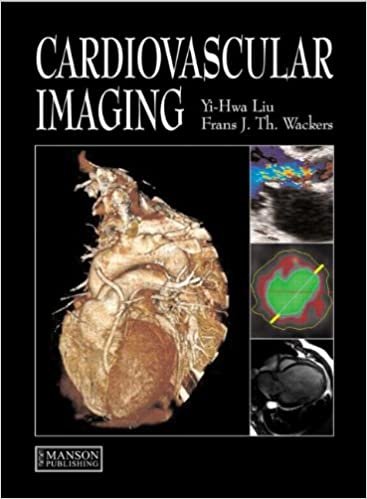
Cardiovascular Imaging
- Sale!

Cardiovascular Disease in AIDS 2nd Ed
- Sale!

Cardiovascular Endocrinology Shared Pathways and Clinical Crossroads
by Over the past few decades, cardiovascular disease and diabetes have emerged as major public health problems, both as distinct clinical entities and as comorbid conditions. As a result, the fields of vascular biology and endocrinology are working more closely now than ever before. With chapters by renowned experts, Cardiovascular Endocrinology: Shared Pathways and Clinical Crossroads emphasizes the considerable physiological interrelationships and clinical correlations between the specialties of cardiovascular medicine and endocrinology. Offering a wealth of information, Cardiovascular Endocrinology: Shared Pathways and Clinical Crossroads provides a range of insights, including a novel view of the hormonal regulation of the vascular system and the disruption of the nitric oxide signaling system. It also addresses the role of fatty acids and cytokines in the development of this problem. Importantly, this unique title also provides a state-of-the-art update on the importance of other hormones such as thyroid hormone and steroids, as well as the pathophysiology of cardiovascular disease and controversies surrounding the use of hormone replacement therapy. In all, Cardiovascular Endocrinology: Shared Pathways and Clinical Crossroads is a first-of-its-kind title that discusses and summarizes important clinical topics in cardiology and endocrinology. It offers clinicians and researchers an important resource for navigating the increasingly interrelated pathways of cardiovascular and endocrinologic disorders. The authors discuss a range of important issues from epidemiology to bench research to translation of this research to clinical practice. - Sale!

Clinical Manual of Total Cardiovascular Risk
by Over the last 10–20 years, there has been an increasing appreciation of the need to manage individual risk factors for cardiovascular disease (CVD) in the context of overall cv risk rather than on the basis of the absolute level of any given risk factor. This approach has given rise to the misnomer “global risk” and gen- ated extensive “lip-service” around this more broad-minded approach to managing risk factors and the prevention of CVD. This short book was devised with the idea of providing a practical summary of the rationale for management based on estimated total CV risk and the various methods associated with so-doing. Practical issues are addressed including treatment thresholds and targets for the major risk factors on which we routinely intervene, and a brief descr- tion of the major means of these interventions is provided. Whilst a multifactorial approach to CV prevention is logical and reflects the pathophysiological processes which underpin the formation of athe- sclerosis, the evidence base to guide practice using estimated CV risk (“global risk”) as a threshold for intervention is essentially non-existent. Meanwhile, pending supportive evidence from randomized trials, prac- cal, pragmatic, and cost-effective approaches to preventing CVD, which is the current biggest contributor to global mortality and burden of disease, is urgently required. The hope is that this book may make a small contribution toward reducing the horrendous burden which CVD currently imposes on the world. - Sale!

Cardiovascular Genetics and Genomics
by - Sale!

Forensic Cardiovascular Medicine
by 
Animal Models in Cardiovascular Research
by- Sale!

Meylers Side Effects of Cardiovascular Drugs
by Elsevier now offers a series of derivative works based on the acclaimed Meylers Side Effect of Drugs, 15th Edition. These individual volumes are grouped by specialty to benefit the practicing physician or health care clinician.Each year, heart disease kills more people than cancer. Patients are treated by a variety of specialists and primary care practitioners, depending on the organ system involved. This volume enables practitioners to assess the adverse effects of the complete range of drugs used in cardiovascular medicine, including antihypertensive drugs, and drugs used in the treatment of heart failure, angina, angina pectoris, and cardiac arrhythmia and enable practitioners to prescribe preventative treatments with medications such as blood pressure reducers, aspirin, and cholesterol-lowering drugs, as well as drugs used for more aggressive therapy.The material is drawn from the 15th edition of the internationally renowned encyclopedia, Meyler’s Side Effects of Drugs, and the latest volumes in the companion series, Side Effects of Drugs Annuals. Drug names have usually been designated by their recommended or proposed International Non-proprietary Names (rINN or pINN); when those are not available, clinical names have been used. In some cases, brand names have been used.This volume is critical for any health professional involved in the administration of cardiovascular mediations.- Surpasses the Physician’s Desk Reference © by including clinical case studies and independent expert analysis
- Complete index of drug names
- Most complete cross referencing of drug-drug interactions available
- Extensive references to primary and secondary literature
- Also includes information on adverse effects in pregnancy
- Drugs used to treat hypertension, heart failure and angina pectoris
- Diuretics – a general introduction to their adverse effects, followed by monographs on individual drugs
- Antidysrhythmic drugs - a general introduction to their adverse effects, followed by monographs on individual drugs
- Drugs that act on the cerebral and peripheral circulations
- Anticoagulants, thrombolytic agents, and anti-platelet drugs
- Cardiovascular adverse effects of non-cardiovascular drugs
- Sale!

Handbook of Cardiovascular Research
- Sale!
Psychological Factors and Cardiovascular Disorders The Role of Stress and Psychosocial Influences
- Sale!

Cardiovascular Mathematics Modeling And Simulation Of The Circulatory System
- Sale!

Cardiovascular Pediatric Critical Illness and Injury
by 
Cardiovascular Genomics Methods and Protocols

Cardiovascular Physiology A Clinical Approach
- Sale!

Cardiovascular Disease in Racial and Ethnic Minorities
by - Sale!
 Colour Matt Finshed
 - Sale!
Cardiovascular Pharmacology Heart and Circulation
by - Sale!

Cardiovascular Pharmacology Endothelial Control
by Cardiovascular disease remains a major cause of death and disability in developed countries and, increasingly so, in the developing world. Presented in this volume of Advances in Pharmacology are some of the most promising possibilities for treating large numbers of individuals afflicted with these conditions.- Contains up-to-date reviews of the most important emerging cardiovascular therapies written by world leaders in the field
- Sale!
Horizons in World Cardiovascular Research Volume 1
by 
Cardiac CT Imaging Diagnosis of Cardiovascular Disease 2nd Ed
by
Cardiovascular Interventions in Clinical Practice
- Sale!
Secondhand Smoke Exposure and Cardiovascular Effects Making Sense of the Evidence
by Data suggest that exposure to secondhand smoke can result in heart disease in nonsmoking adults. Recently, progress has been made in reducing involuntary exposure to secondhand smoke through legislation banning smoking in workplaces, restaurants, and other public places. The effect of legislation to ban smoking and its effects on the cardiovascular health of nonsmoking adults, however, remains a question.Secondhand Smoke Exposure and Cardiovascular Effects reviews available scientific literature to assess the relationship between secondhand smoke exposure and acute coronary events. The authors, experts in secondhand smoke exposure and toxicology, clinical cardiology, epidemiology, and statistics, find that there is about a 25 to 30 percent increase in the risk of coronary heart disease from exposure to secondhand smoke. Their findings agree with the 2006 Surgeon General's Report conclusion that there are increased risks of coronary heart disease morbidity and mortality among men and women exposed to secondhand smoke. However, the authors note that the evidence for determining the magnitude of the relationship between chronic secondhand smoke exposure and coronary heart disease is not very strong.Public health professionals will rely upon Secondhand Smoke Exposure and Cardiovascular Effects for its survey of critical epidemiological studies on the effects of smoking bans and evidence of links between secondhand smoke exposure and cardiovascular events, as well as its findings and recommendations. 
Antithrombotic Drug Therapy in Cardiovascular Disease
by Substantial morbidity and mortality remains associated with thrombotic events has stimulated the rapid expansion of the available armamentarium to combat pathologic thrombosis. Pathologic thrombosis plays an essential role in the pathogenesis of acute coronary syndromes (ACS), ischemic complications of percutaneous coronary intervention (PCI), venous thromboembolic disease, and embolic complications of arrhythmias and various cardiomyopathies. Written by experts in the field, Antithrombotic Drug Therapy in Cardiovascular Disease carefully examines individual and various combinations of the available antithrombotic regimens including fibrinolytic agents, antiplatelet therapies (aspirin, thieneopyridines, glycoprotein IIb/IIIa inhibitors), and anticoagulant therapies (unfractionated heparin, low-molecular-weight heparins, direct thrombin inhibitors, and synthetic factor X inhibitors), non-ST-segment elevation (NSTE) ACS and ST-segment elevation myocardial infarction (STEMI). A detailed overview, Antithrombotic Drug Therapy in Cardiovascular Disease presents the evidence demonstrating the efficacy of available antithrombotic therapies in specific disease states such as atrial fibrillation, cardiomyopathy, valvular heart disease, and heparin-induced thrombocytopenia (HIT).- Sale!

Patient Specific Modeling of the Cardiovascular System Technology Driven Personalized Medicine
by Peter Hunter Computational physiology for the cardiovascular system is entering a new and exciting phase of clinical application. Biophysically based models of the human heart and circulation, based on patient-specific anatomy but also informed by po- lation atlases and incorporating a great deal of mechanistic understanding at the cell, tissue, and organ levels, offer the prospect of evidence-based diagnosis and treatment of cardiovascular disease. The clinical value of patient-specific modeling is well illustrated in application areas where model-based interpretation of clinical images allows a more precise analysis of disease processes than can otherwise be achieved. For example, Chap. 6 in this volume, by Speelman et al. , deals with the very difficult problem of trying to predict whether and when an abdominal aortic aneurysm might burst. This requires automated segmentation of the vascular geometry from magnetic re- nance images and finite element analysis of wall stress using large deformation elasticity theory applied to the geometric model created from the segmentation. The time-varying normal and shear stress acting on the arterial wall is estimated from the arterial pressure and flow distributions. Thrombus formation is identified as a potentially important contributor to changed material properties of the arterial wall. Understanding how the wall adapts and remodels its material properties in the face of changes in both the stress loading and blood constituents associated with infl- matory processes (IL6, CRP, MMPs, etc. Epidemiology and Prevention of Cardiovascular Disease A Global Challenge 2nd Ed
by This book provides a comprehensive epidemiological perspective on cardiovascular diseases and analysis of measures for their prevention and control in community and clinical settings. Perfect for both students and practitioners, the second edition includes over 300 tables, figures, and exhibits; and has been thoroughly updated to reflect the most recent research in the field.Epidemiology and Prevention of Cardiovascular Disease: A Global Challenge, Second Edition provides an in-depth examination of epidemiologic research and prevention measures for the full range of cardiovascular diseases (CVD).This authoritative text on the world’s leading causes of death describes in detail the nature of atherosclerotic and hypertensive diseases—including their determinants, prevention and control, as well as policies for intervention in community and clinical settings.This second edition is fully updated, more extensively referenced and expanded to include new information about the public health dimensions of CVD prevention, exploring the basis of public health decisions and the process by which decision-making bodies develop guidelines and recommendations.Epidemiology and Prevention of Cardiovascular Diseases: A Global Challenge, Second Edition is the essential text for any student or practitioner concerned with global cardiovascular health.The second edition includes:• The most up-to-date epidemiologic research, prevention measures, and policies • Fully revised content and expanded material • A comprehensive review of CVD research- Sale!

Renin Angiotensin System and Cardiovascular Disease
by Experimental and clinical evidence supports the view that the activation of the renin angiotensin aldosterone system is involved in cardiovascular pathology including hypertension, heart failure, myocardial ischemia, and atherosclerosis. The present volume describes the intricacies involved in these processes, including the in?uence of prorenin/renin, angiotensin II, angiotensin (1-7), and aldosterone on cardiac and vascular functions as well as their involvement in the generation of cardiovascular diseases. Fundamental aspects like intracellular signaling, regulation of cell volume in the failing heart, and the presence of an intracrine renin angiotensin system are discussed. Moreover, the role of the mineralocorticoid receptor as an important c- ponent of the intracrine renin angiotensin system and as a regulator of extracellular action of angiotensin II is described, reinforcing the view that aldosterone inhibitors are helpful in the treatment of heart failure and hypertension. Let us hope the imp- tant topics included here motivate basic and clinical investigators and contribute to the development of new therapeutic approaches for cardiovascular diseases. We want to thank the distinguished authors and Humana Press for the opportunity to publish this important book. Walmor C. DeMello Edward Frohlich v Contents 1 Systemic Versus Local Renin Angiotensin Systems. An Overview . . . . . . . . . . . . . . . . . . . . . . . . . . . . . . 1 Walmor C. DeMello and Richard N. Re 2 Clinical Import of the Local Renin Angiotensin Aldosterone Systems . . . . . . . . . . . . . . . . . . . . . . . . . 7 Edward D. Frohlich 3 Renin, Prorenin, and the (Pro)Renin Receptor . . . . . . . . . . . 15 Genevieve Nguyen and Aurelie Contrepas 4 Local Renin Angiotensin Systems in the Cardiovascular System . . . . . . . . . . . . . . . . . . . . . . . . . . . . . . . . . 25 Richard N. - Sale!

Studies on Studies on Cardiovascular Disorders
by The role of reactive oxygen species (ROS) in the cardiovascular system is Jan- faced. Whereas low concentrations of ROS are involved in variety of physiological signalling events, oxidative stress resulting from deregulated overproduction of ROS and/or impaired antioxidant defences contributes to cardiovascular disease. The actions of ROS in the cardiovascular system are a fascinating topic, not only for the basic science researcher but also for the clinician who is interested in seeking new therapies for his patients suffering from cardiovascular disease. The current book provides a comprehensive overview of the molecular mechanisms and pathoph- iological settings in which chronic and detrimental oxidative stress arises within the heart and vasculature. The book also considers currently discussed strategies in avoiding chronic redox stress resulting from exposure to risk factors or various cardiovascular interventions. The series starts with an overview by Denise de Castro Fernandes, Diego Bonatto and Francisco Laurindo of redox signaling models that could underlie the dev- opment of redox-associated cardiovascular disorders. The interactions of proteins within signalling cascades with ROS and the regulation of such interactions by the anti-oxidative capacity of the cell are discussed. Rebecca Charles, Joseph Burgoyne and Philip Eaton report on redox-mediated modi cations of proteins under ph- iological and pathophysiological conditions and the variety of post-translational oxidative modi cations that explain redox sensing and signal transduction by proteins at the molecular level. ROS are generated during embryogenesis and may be involved in the proper development of the cardiovascular system.